




Explore recommended attractions for cruise visitors to Incheon.
-
Healing Theme
-
Entertainment Theme
-
Time Travel Theme
Discover the attractions that best represent Incheon.
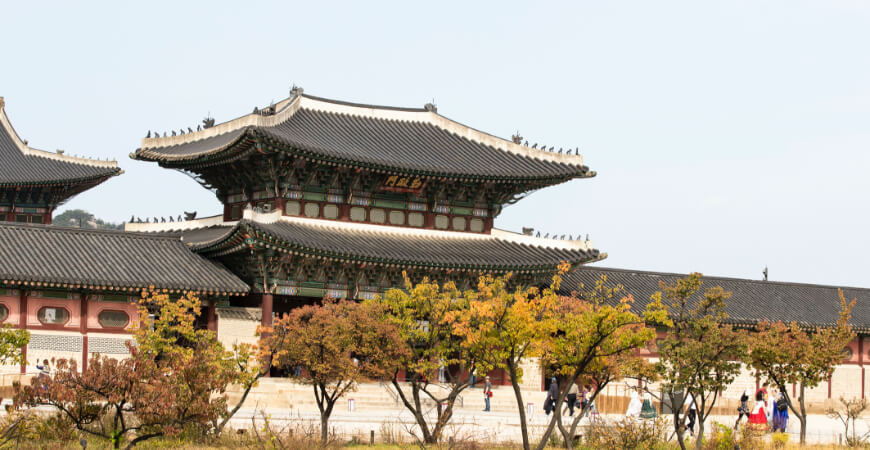 Gyeongbokgung PalaceLink to page
Gyeongbokgung Palace carries the meaning of "enjoy great blessings and prosper." It was founded following the establishment of the Joseon Dynasty and used as the main palace, but after being completely destroyed during the Imjin War, it was rebuilt during the reign of King Gojong in the late Joseon period. Although most of the buildings within the palace grounds were lost and many halls were restored with the exception of Geunjeongjeon Hall and Gyeonghoeru Pavilion, Gyeongbokgung Palace remains in its original location from the time of its founding, making it an important historical site where one can generally confirm the appearance of the Joseon Dynasty's main palace.
Photo by (Lee Beom-su) - Korea Tourism Organization- From Incheon Port Cruise Terminal
- 57.0 km, 80 min
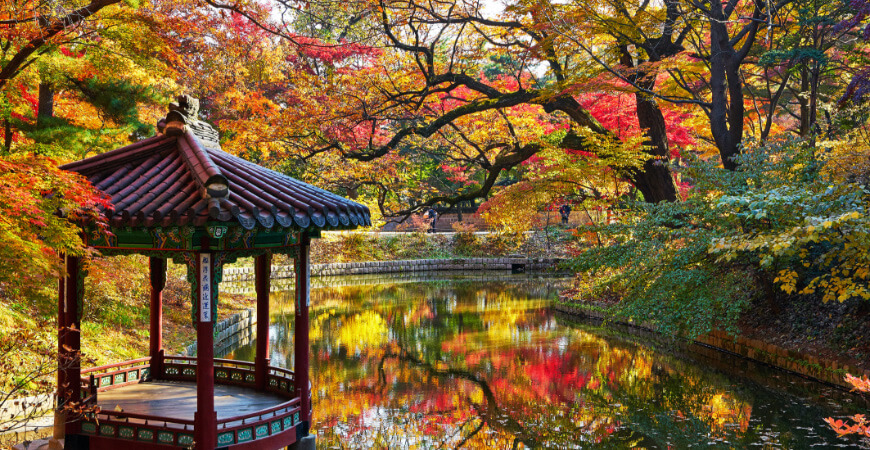 Changdeokgung PalaceLink to page
Changdeokgung Palace is a palace of the Joseon Dynasty. It is an important cultural heritage that serves as a comprehensive example of environmental design where architecture and landscaping are harmoniously blended, while simultaneously evoking a distinctly Korean spatial atmosphere. In architectural history, it represents a typical archetype of a Joseon Dynasty palace, and the landscaping of the rear garden holds high value as a representative royal garden of Korea. Recognized for its value in harmony with nature, it was designated as a UNESCO World Heritage Site.
Photo by (Lee Jeong-gyu) - Korea Tourism Organization- From Incheon Port Cruise Terminal
- 59.5 km, 85 min
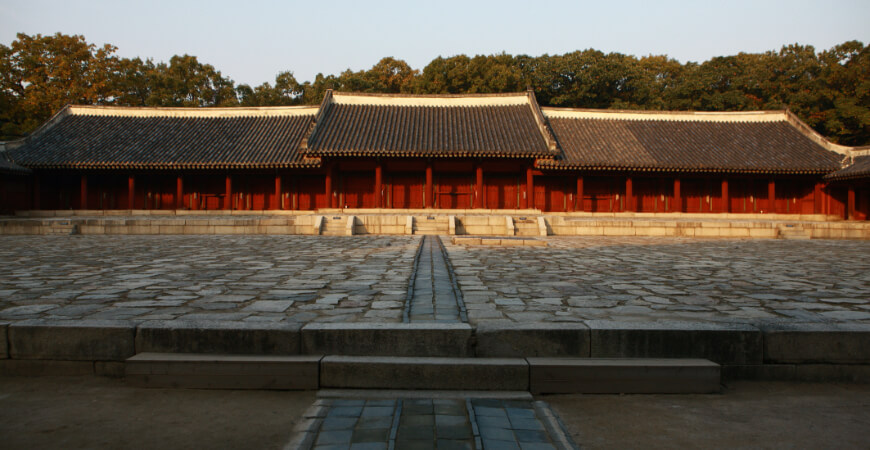 Jongmyo ShrineLink to page
Jongmyo Shrine is a shrine housing the spirit tablets of successive kings and queens of the Joseon Dynasty, as well as those of kings and queens posthumously honored. The Grand Rite of Jongmyo, held here, has been a national event since the Three Kingdoms period. UNESCO designated Jongmyo Shrine as a World Heritage Site in 1995.
Photo by (Kim Ji-ho) - Korea Tourism Organization- From Incheon Port Cruise Terminal
- 58.5 km, 90 min
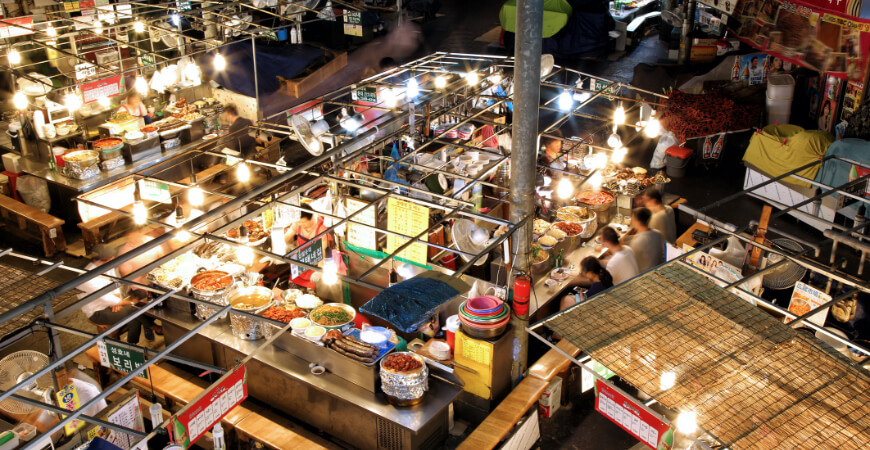 Gwangjang MarketLink to page
Gwangjang Market is Korea's first permanent market, established in 1905. The food market is overflowing with all kinds of food. Among them, the "Top 5 Best at Gwangjang Market" include bindaetteok & assorted jeon, mayak gimbap, sundae & pig's head meat, yukhoe, and donggeurangtteok. In addition, there are various other foods such as assorted sashimi, spicy fish stew, and bibimbap.
Photo by (IR Studio) - KTO- From Incheon Port Cruise Terminal
- 58.8 km, 85 min
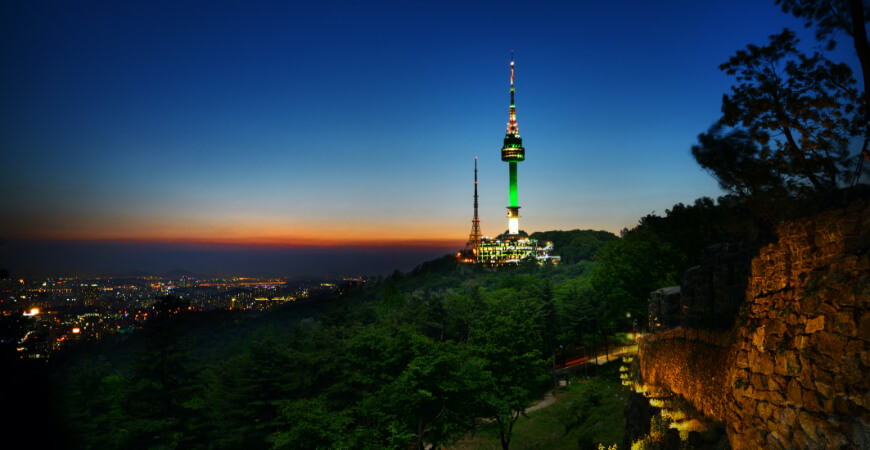 N Seoul TowerLink to page
Visible from anywhere in Seoul, it is no exaggeration to say that N Seoul Tower is a symbol of the city. N Seoul Tower is the first comprehensive broadcasting tower built in Korea to transmit TV and radio broadcasts to the metropolitan area. Since opening to the public, it has become Seoul's premier tourist attraction in every sense of the word. The height of N Seoul Tower is 236.7m, and considering the height of the observation deck, it is equivalent to looking down at Seoul from a height of at least 370m.
Photo by (IR Studio) - KTO- From Incheon Port Cruise Terminal
- 64.3 km, 75 min
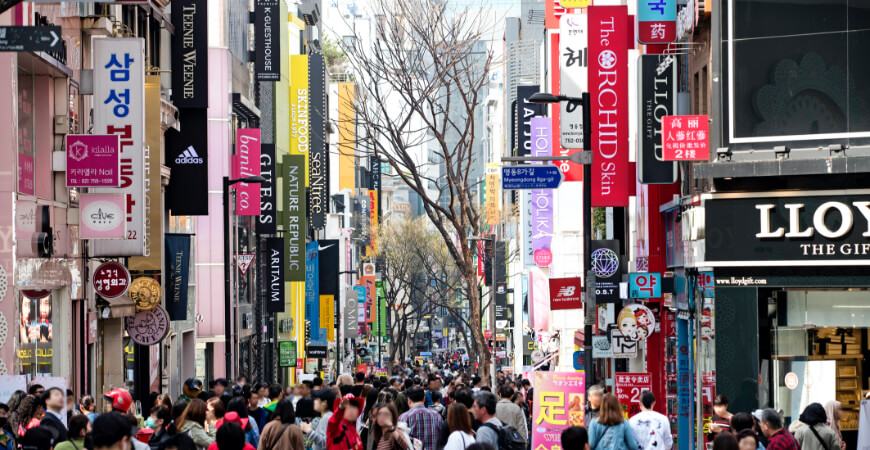 Myeongdong Shopping StreetLink to page
Myeongdong is a space reminiscent of a massive shopping city. Various brand stores, department stores, and independent boutiques are densely concentrated here. You can purchase a wide variety of products, including clothing, shoes, and accessories, to the extent that the expression "mecca of fashion" suits it. It is characterized by a concentration of high-quality brands, which are superior to those found in Namdaemun or Dongdaemun.
Photo by (Lee Beonsu)-KTO- From Incheon Port Cruise Terminal
- 58.3 km, 80 min
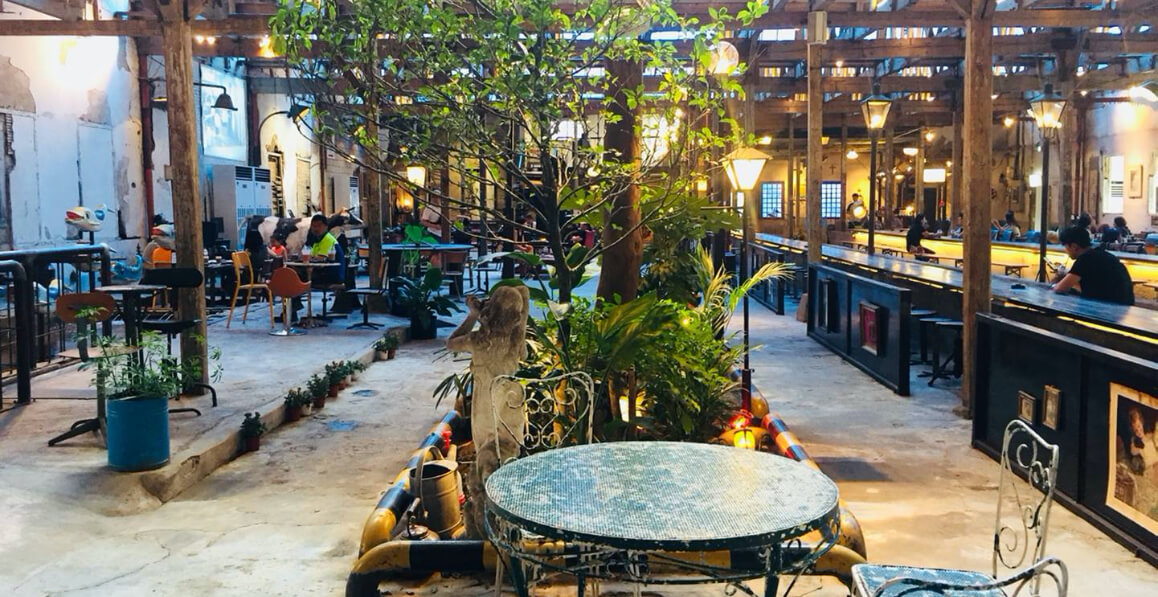 Joyang Textile Factory CafeLink to page
Joyang Textile Factory, which was Ganghwa's first rayon factory, fell into ruin as the Ganghwa textile industry declined over time. The building, which was crumbling into an eyesore, has been reborn as a massive cafe. The crumbling walls were transformed into a magnificent art gallery and movie theater, the long workbenches were converted into coffee tables, and the space, once vacated by both machines and people, was filled with antiques found in China and Europe.
Photo by Incheon Tourism Organization- From Incheon Port Cruise Terminal
- 50.9 km, 57 min
 Wolmi ParkLink to page
Public access to Wolmi Park was restricted for over 50 years due to the presence of military units. However, on September 10, 2001, Incheon Metropolitan City acquired the site from the Ministry of National Defense, converted it into a park, and opened it to the public. Wolmi Park is not only well-preserved for its natural ecosystem but also holds significant historical value as a battleground for great powers during the modern and contemporary eras; it has been developed as a nature ecological park and a history park.
Photo by (Kim Ji-ho) - Korea Tourism Organization- From Incheon Port Cruise Terminal
- 11.8 km, 30 min
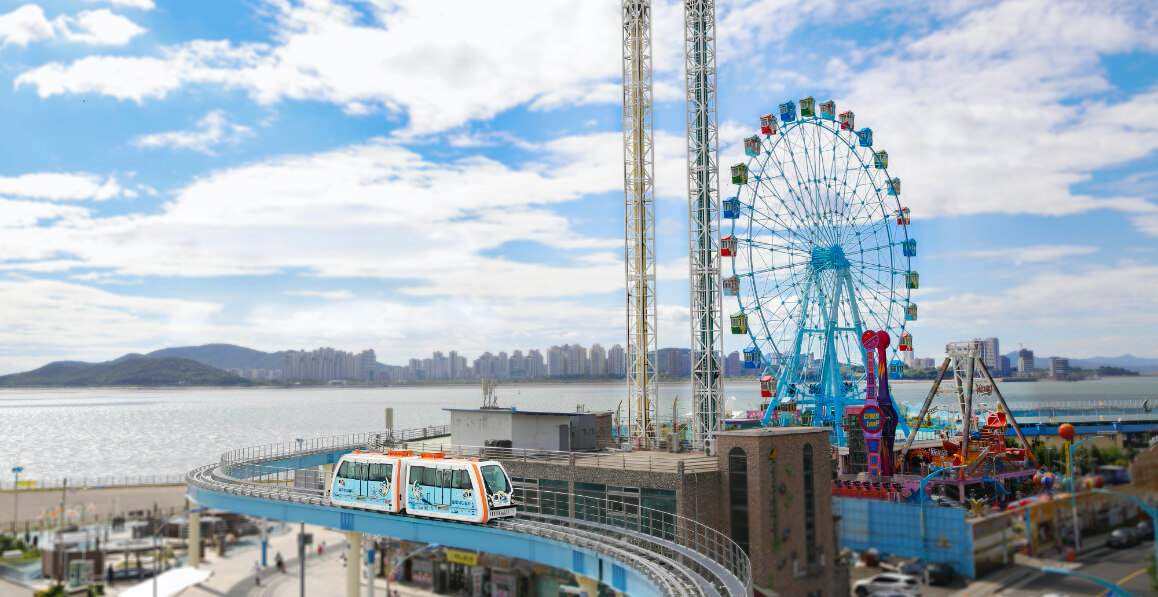 Wolmi Sea TrainLink to page
It is the only urban tourist monorail in Korea that allows you to view natural landscapes such as the sea, mountains, and islands, history including the modern history of the opening of ports and the Korean War, and industrial sites such as ports at a glance.
Photo by Incheon Tourism Organization- From Incheon Port Cruise Terminal
- 11.5 km, 30 min
 Songdo G-Tower ObservatoryLink to page
The observatory located in G-Tower, one of Songdo's landmark buildings, is a place where you can admire the panoramic view of Central Park. G-Tower is the headquarters of the Incheon Free Economic Zone Authority and houses the Green Climate Fund (FCF), an international organization under the United Nations; the 33rd floor is utilized as an observation deck.
Photo by Incheon Tourism Organization- From Incheon Port Cruise Terminal
- 6.6 km, 13 min
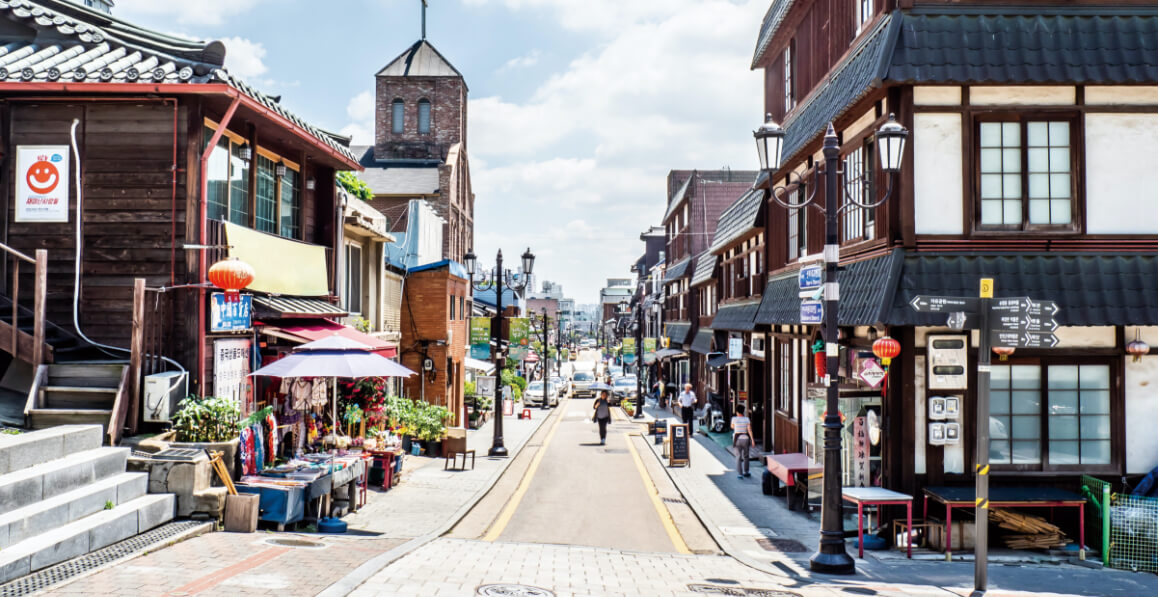 Open Port Area StreetLink to page
It is a meeting place for the history and culture of the opening of ports era, where traces of 126 years of history—the opening of Incheon Port in 1883—have accumulated. This is a place where you can see modern architecture intact, including the Jung-gu Office (formerly the Japanese Consulate), the Incheon Branch of the First Bank of Japan, the Incheon Branch of the 18th Bank of Japan, and the Incheon Branch of the 58th Bank of Japan.
Photo by Incheon Tourism Organization- From Incheon Port Cruise Terminal
- 10 km, 26 min
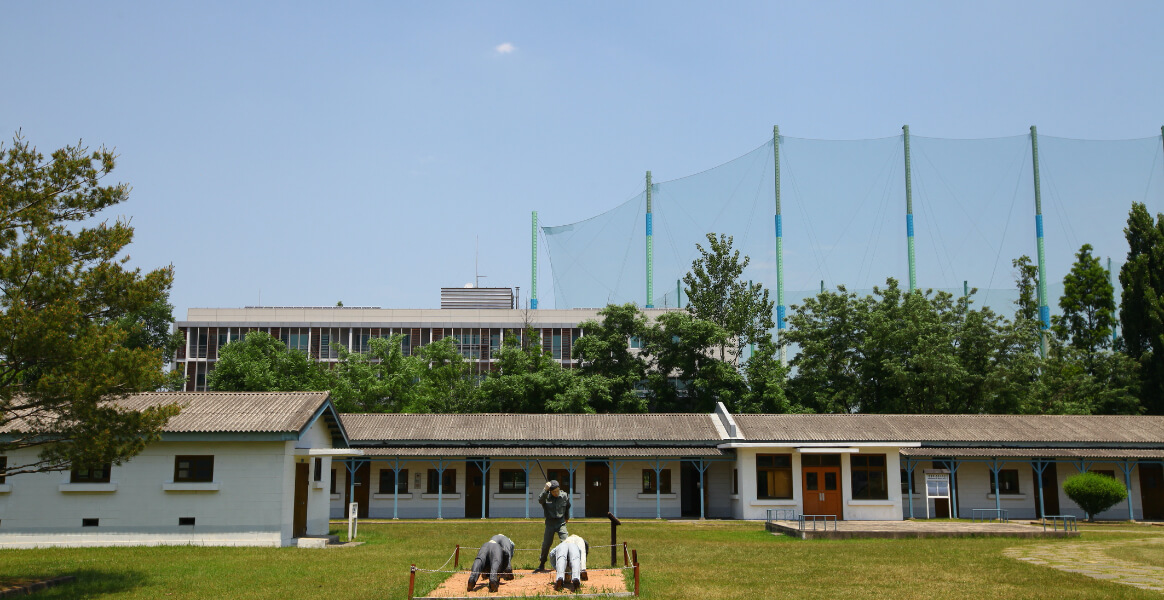 Jayu Park
Jayu Park is Korea's first Western-style park, created five years after the opening of Incheon Port. It is situated on high ground with a spacious grounds and dense forest, making it suitable for a stroll. From the top of Jayu Park, you can clearly see as far as the sea off Incheon. Inside Jayu Park, there are rest areas such as a small zoo, an octagonal pavilion, Yeonojeong Pavilion, and benches.
Photo by (Lee Beonsu)-KTO- From Incheon Port Cruise Terminal
- 10.2 km, 26 min
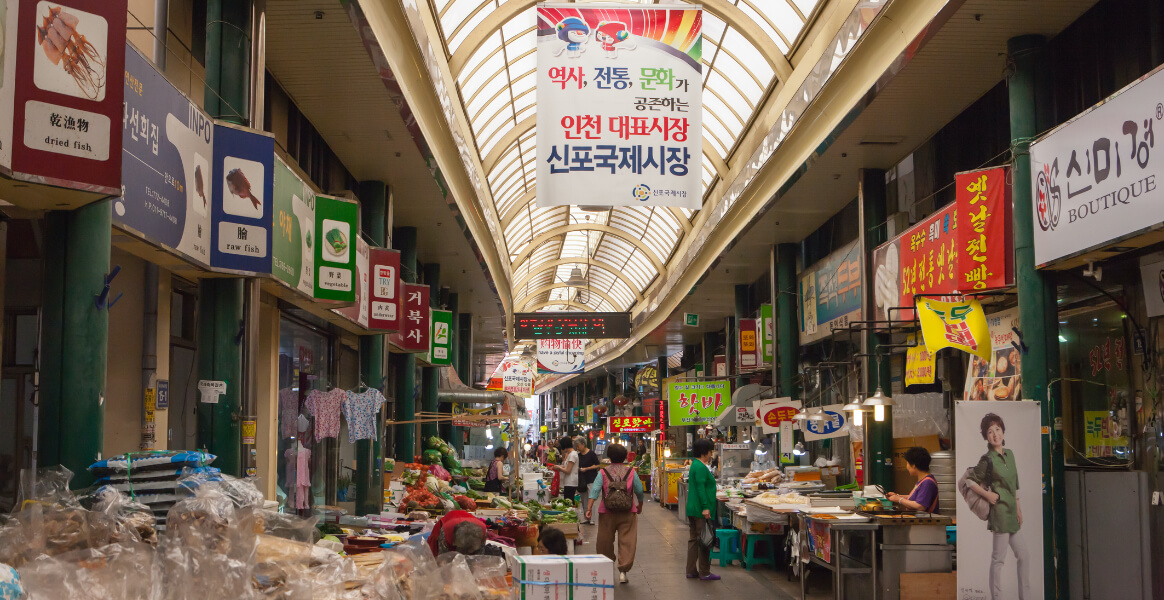 Sinpo International MarketLink to page
It is said that Sinpo Market began in the late 19th century as a place selling high-quality vegetables to Japanese, Chinese, and Westerners who had settled here. Located close to the International Passenger Terminal, Sinpo Market has been developed into an international merchant market that integrates multinational cultures.
Photo by (Kim Jiho)-KTO- From Incheon Port Cruise Terminal
- 9.8 km, 25 min
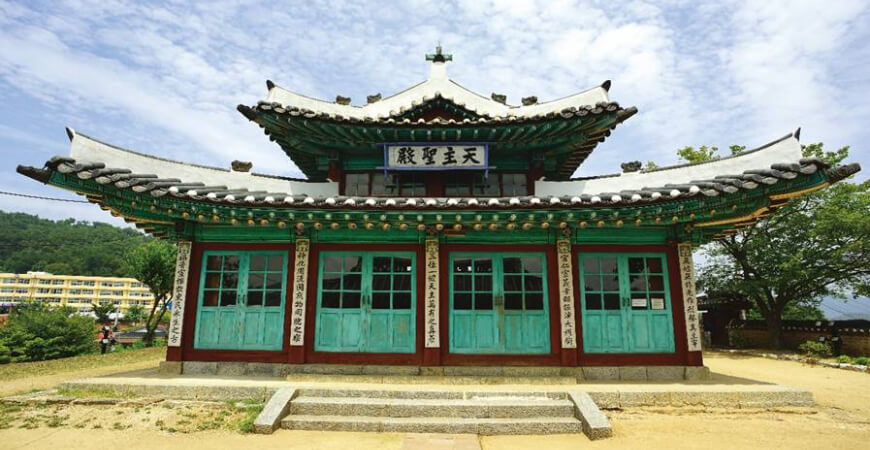 Ganghwa Anglican CathedralLink to page
Ganghwa Cathedral is a building consecrated in 1900 by the first bishop, Charles John Corfe, and was named the Church of St. Peter and St. Paul.
Photo by Incheon Tourism Organization- From Incheon Port Cruise Terminal
- 50.6 km, 55 min
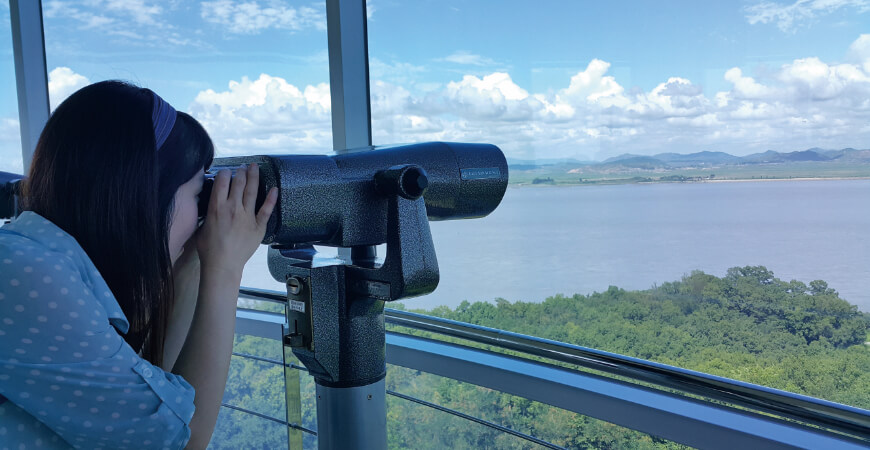 Ganghwa Peace ObservatoryLink to page
The Ganghwa Peace Observatory was built in the Civilian Control Zone in Cheolsan-ri, Yangsa-myeon, at the northernmost point of Ganghwa Island. It faces North Korea across a sea resembling a river, where the waters of the Han, Imjin, and Yesong rivers meet the West Sea. This body of water is akin to a land-based Demilitarized Zone (DMZ) that no one can approach.
Photo by Incheon Tourism Organization- From Incheon Port Cruise Terminal
- 61.4 km, 65 min
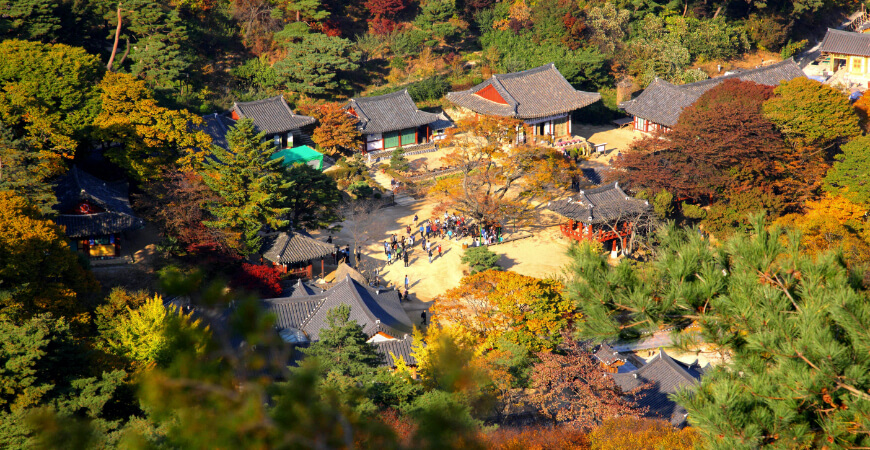 Jeondeungsa TempleLink to page
It is the oldest temple in Korea and the largest temple in Ganghwa. Harmonizing with the mountains, it offers a unique atmosphere in every season; it is particularly good for a light hike while admiring the yellow ginkgo trees and autumn foliage. Located underground are the modern-style Dharma Hall, Museoljeon, and the Seowun Gallery, where Buddhist art exhibitions are held year-round.
Photo by Incheon Tourism Organization- From Incheon Port Cruise Terminal
- 42.4 km, 50 min
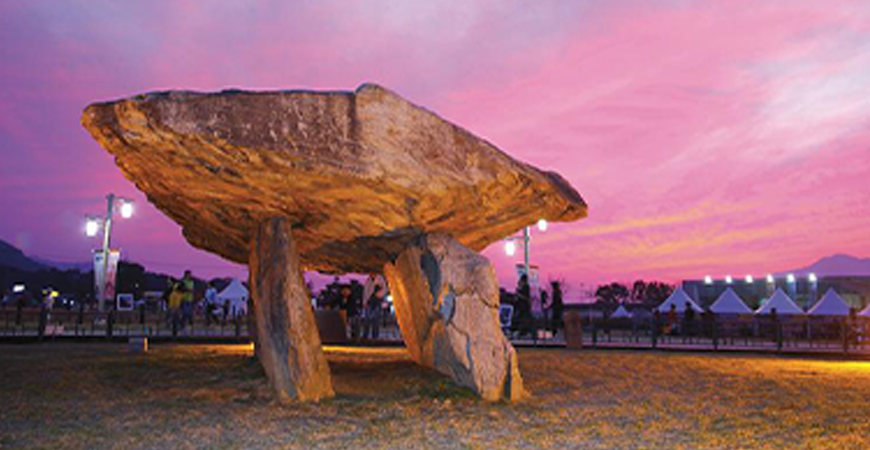 Ganghwa Dolmen SiteLink to page
As one of the representative burial systems of the Bronze Age, it utilizes a large stone measuring 710 cm in length, 260 cm in height, and 550 cm in width. Its form is that of a Northern-style dolmen, serving as valuable research material for prehistoric and ancient history. In 2000, it was registered as a World Heritage Site by the UNESCO World Heritage Committee, along with the dolmens of Gochang and Hwasun.
Photo by (Kim Jiho)-KTO- From Incheon Port Cruise Terminal
- 56.7 km, 60 min